AI pathshala
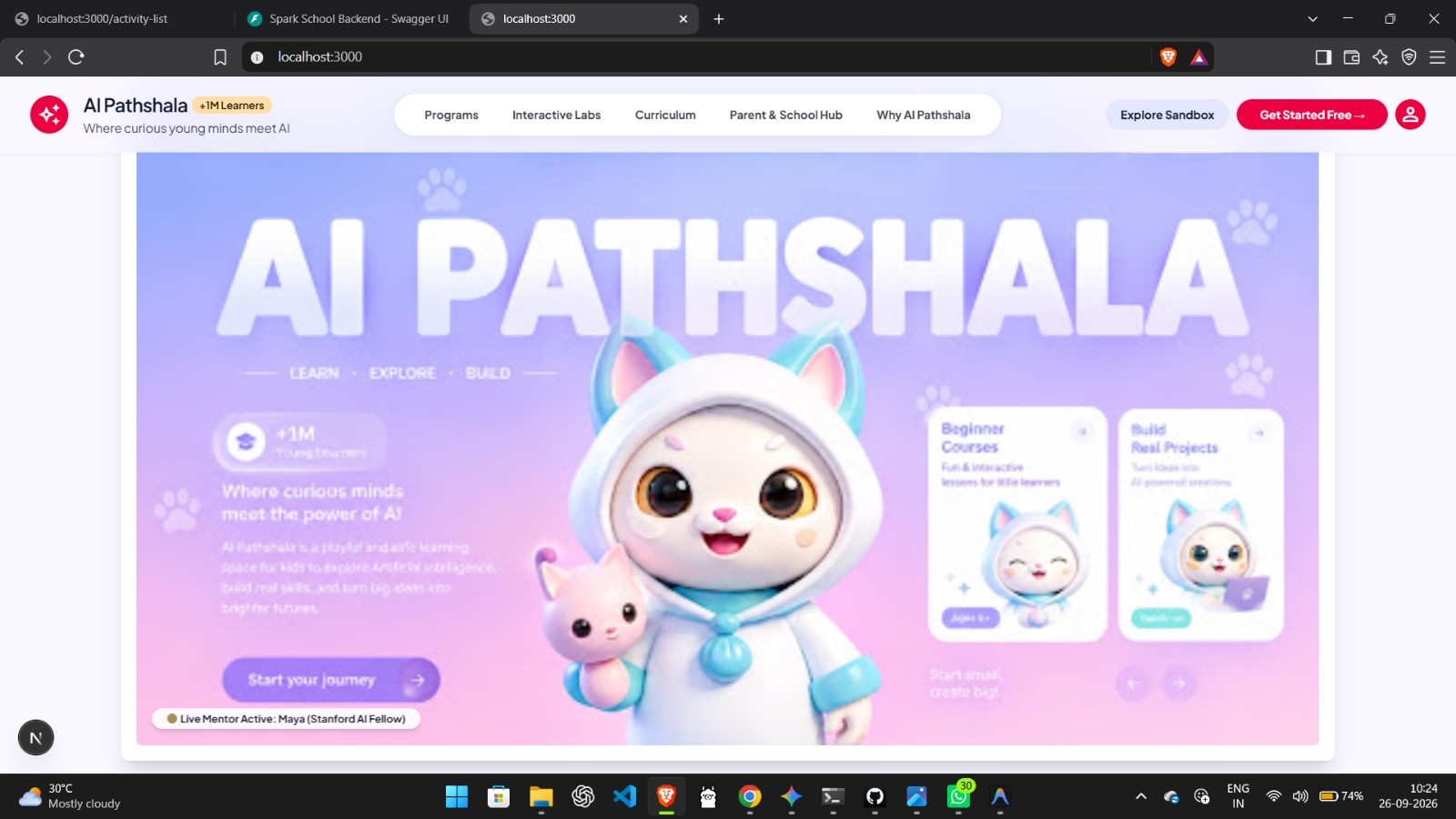
### The Problem: A Critical Blindspot in AI Education
Middle schoolers (ages 10–13) are entering an ecosystem run by recommendation loops, autonomous filtering, and black-box decision models. However, standard computer science curricula focus exclusively on syntax or basic chatbot prompting.
Existing tools reduce AI ethics to passive, multiple-choice vocabulary quizzes. Students are left without practical **algorithmic literacy**:
* **Invisible Bias:** Young users do not recognize how training datasets embed historical and visual shortcuts.
* **Spurious Correlations:** They lack intuition for why an algorithm conflates proxy variables (e.g., physical mass or keyword frequency) with actual competence.
* **Feedback Loops:** They do not see how recommendation algorithms optimize strictly for click-through rate over educational value or safety.
* **Unconstrained Trust:** They interact with generative AI without knowing how to constrain, audit, or steer models safely.
How AI Pathshala Solves It
AI Pathshala transitions learning from passive quizzes into an interactive AI Alignment Sandbox. We use an experiential learning loop: Deconstruct, then Construct.
1. Deconstruct: The Bias Card Game
Students act as algorithmic auditors across interactive, simulated scenarios:
-
The "Gotcha" Mechanic: In Level 1, students pick the best campus guard dog. The simulated AI immediately overrides human intuition to select a lazy Bulldog.
-
Investigative Logic Logs: Students inspect the AI’s internal weight breakdown (
Size: +35,Muscular: +30,Alertness: +5) to identify that the model learned a visual shortcut. -
Dataset Hacking: In the Level 5 Boss Battle, students actively manipulate model inputs (injecting color filters) to exploit the AI's hidden heuristics, discovering firsthand how proxy variables can be reverse-engineered.
2. Construct: The Prompt Challenge
Having diagnosed algorithmic failure modes, students transition from critics to engineers:
-
Frontier Model Sandbox: Students engineer structured prompts on a live Google Gemini API backend.
-
Targeted Steering: They craft prompts designed specifically to mitigate bias, enforce constraints, and establish safe context.
-
Deterministic Rubric Scoring: A server-side rubric grades prompt submissions across Clarity, Constraints, and Bias Mitigation, awarding dynamic XP based on prompt engineering rigor.
The Impact
-
Critical Consumers: Replaces passive acceptance of algorithmic decisions with healthy, analytical skepticism.
-
Safe Sandbox for Minors: An age-appropriate, zero-risk environment where children learn the mechanics of frontier AI models without privacy exposure.
-
Kinesthetic Learning: Replaces abstract classroom lectures with gamified, interactive intuition building that middle schoolers actually want to play.